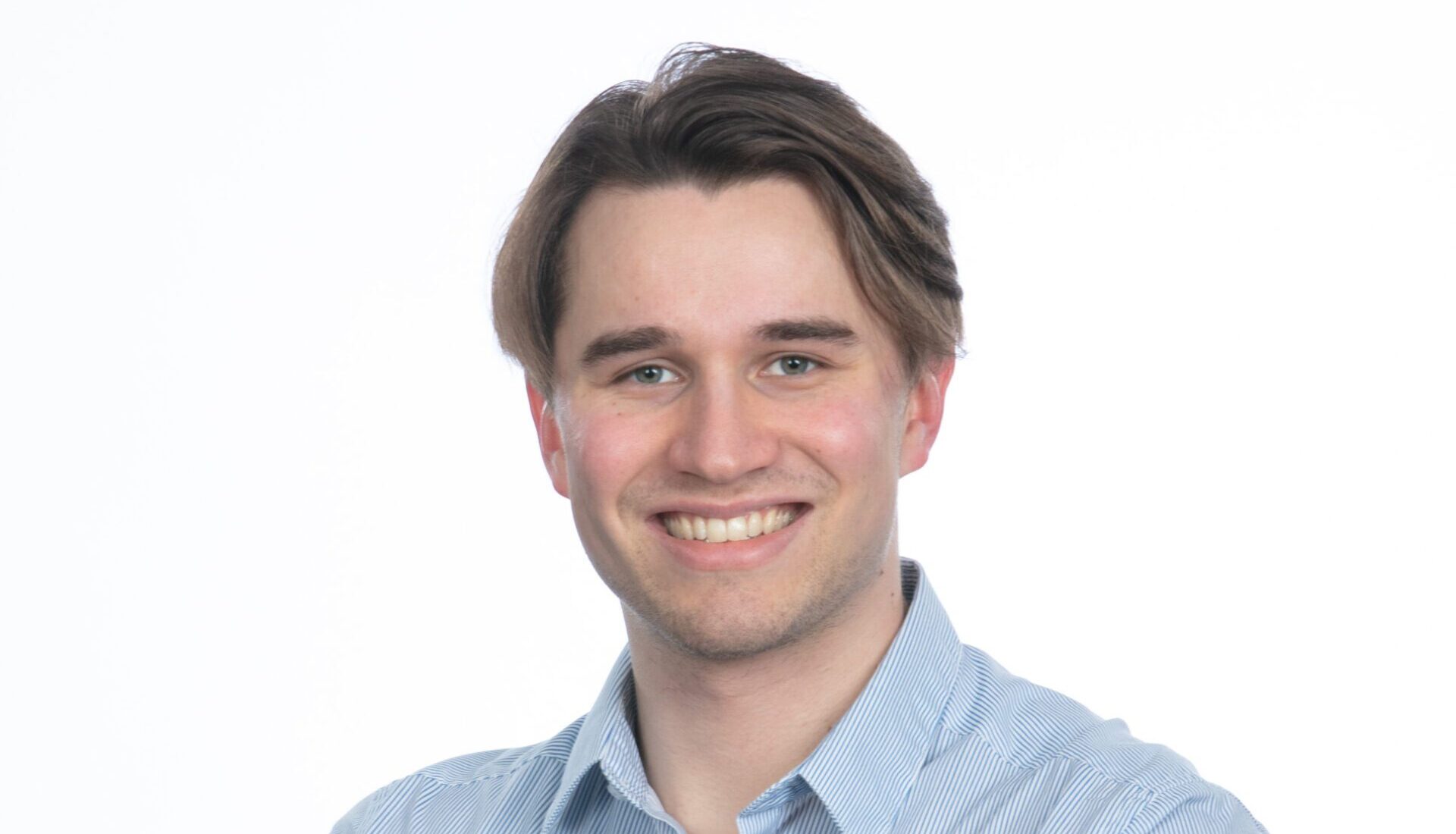
Konsta Kuusento is a 31-year-old Licentiate of Medicine from Turku.
“I graduated as a physician from the University of Turku in 2020, in the middle of the COVID-19 pandemic. I have mainly worked in primary health care and am specializing in general practice. I started the doctoral program in clinical research at the University of Turku in 2024. Currently, I work one day a week as a researcher and four days a week in occupational health care.
I became interested in epidemiological research. In clinical work, we focus on individual health concerns, whereas public health sciences study large populations. This broader perspective provides a good balance and additional insight for clinical work. The topic of my research—changes in hair cortisol levels during retirement—was developed together with the supervisors of my doctoral thesis.
Research related to retirement, stress, and sleep seemed interesting, and relevant expertise was available nearby. Retirement is one of the major transitions in life that affects almost everyone at a certain stage. Studying the changes surrounding this transition is important in order to understand its potential effects on health both immediately after retirement and later in life. Epidemiological research helps identify phenomena that may also guide the design of intervention studies.
So far, changes related to retirement have mainly been measured using subjective methods, such as interviews and questionnaires. More objective measures have only been used to a limited extent. Our aim is to measure changes in the body’s stress hormone, cortisol, from hair samples during the transition to retirement in a longitudinal study setting. Additionally, we aim to examine whether work-related stress factors, such as shift work, are associated with changes in hair cortisol levels.
My doctoral thesis is part of the Finnish Retirement and Aging Study (FIREA). FIREA is a study initiated at the University of Turku in 2013, with the main objective of examining changes in lifestyle, health, and functional capacity, as well as their determinants, during the transition to retirement and afterward. My supervisor is Professor of Public Health Sari Stenholm, who is also the principal investigator of FIREA.
I work with my supervisors Sari Stenholm, Professor Linnea Karlsson, and Senior Researcher Susanna Kortesluoma. I also receive support from other staff at the Department of Public Health, including statistical experts. The team helps move forward from dead ends and provides encouragement—research would not be possible alone.
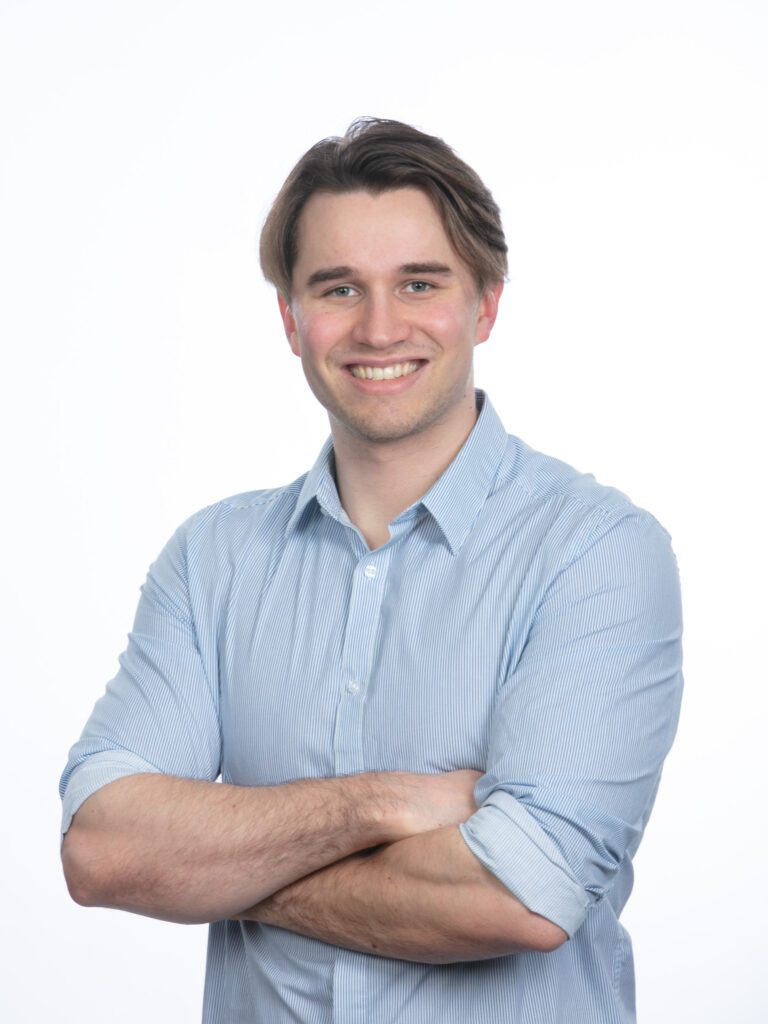
At the moment, I mainly work remotely from home. Depending on the stage of the project, my days are spent reviewing existing literature, working with statistics, or writing. Doctoral coursework also takes time. I meet with one or more of my supervisors approximately every two weeks to review progress and plan next steps. These regular meetings help set short-term goals that keep the research progressing steadily. Workdays are typically of normal length, but during busier periods I may also work evenings and weekends.
I published my first article in an international scientific journal in November 2025. My current goal is to publish the second article during 2026. The third article and the doctoral thesis summary will be completed in 2027–2028. Alongside this, I am completing the required doctoral studies.
Funding from the TYKS Foundation helps ensure sufficient time for research. Without funding, the time available for research would be more limited and variable. Funding enables steady progress from week to week and month to month. It also allows me to present my work and network at national and international seminars and conferences.
In addition to research and clinical work, I spend time with my loved ones and exercise. I practice submission wrestling and go to the gym, which help clear my mind after work. Spending time with my dog also helps me recover from long days.”